Week 6: BioTech and Art
This week we discussed the advances made in biotechnology, and how art can and has been implemented into this field. I realized through this unit, that there are so many subcategories within this field, and studies span from glowing albino bunnies, to "laughing" rats, raising different species of flowers. With that being said, it is one of the most controversial types of art, as it has to do with life, and manipulations to it. I found this unit to be incredibly interesting, and will attempt to summarize my findings.


Advances within art in in the field of biotechnology really started with a man named Joe Davis. He worked with research at MIT and shared his ideas surrounding the inserting genomes into DNA. Through this early proposition, biotechnology with the integration of art has flourished, and many studies followed his initial study. One study that came from Davis' ideas was turned into a type of "art piece" by Eduardo Kac, called the "GFP Bunny" done in 2000. This work required the insertion of GFP (green fluorescent protein) found in jellyfish genes, into the DNA of albino bunnies, making them glow. While this project was a huge advancement in science, it has started controversial conversation on its art side, along with many other biotech studies, as it involved the involuntary manipulation of an animal's DNA, which could cause potential harm to the bunny.

Another study under the realm of biotech and art is the study in which Kathy High attempted to track "laughter" of rats. In this study, High, observed rats in her lab and tracked their reactions to certain stimuli, attempting to find what made rats "laugh". While the rats weren't actually laughing, she tracked their happiness and comfort levels within the experiment. This study as well, was seen as controversial, as the rats emotions were being tested and manipulated, however High responded by noting that her main goal was to keep understand what made the animals feel at peace, as helping them helped her get through her autoimmune disorder.
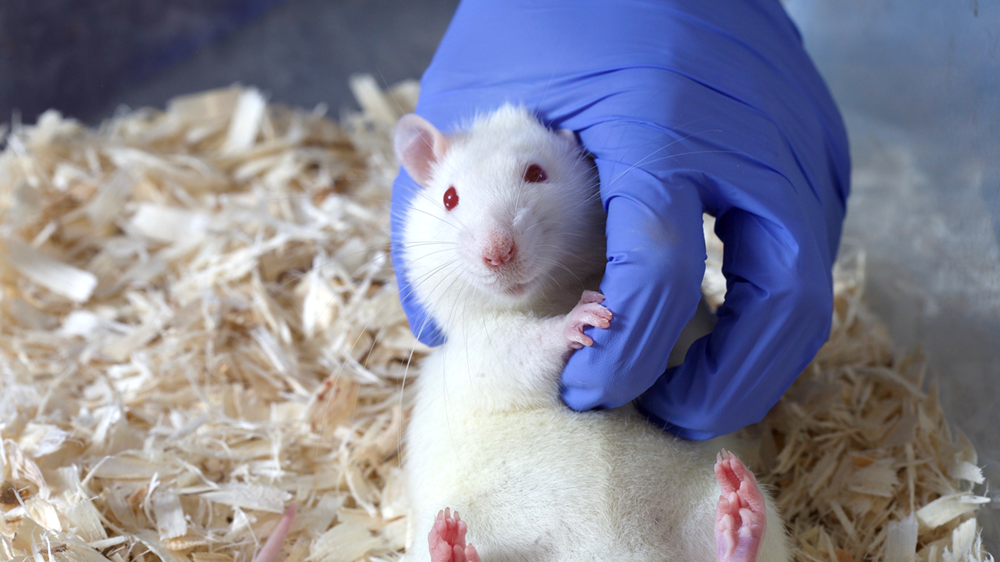
While the field of study is highly controversial, and people hold many types of opinions over biotechnology and if it should be considered an art form, I feel as though if the study is being used to solve an problem, and isn't harmful to the subject at hand, it is 100% an art form, as it took time to perfect and evolve.

Photo Citations
“Alba (Rabbit).” Wikipedia, Wikimedia Foundation, 24 Mar. 2023, en.wikipedia.org/wiki/Alba_%28rabbit%29.
“Eduardo Kac.” MUBI, mubi.com/cast/eduardo-kac.
“Joe Davis. Baitul Ma’Mur: House of Angels.” RSU Anatomijas Muzejs, am.rsu.lv/en/joe-davis-baitul-mamur-house-angels.
“Rat Tickling.” NC3Rs, nc3rs.org.uk/3rs-resources/rat-tickling.
Writer, GEN Staff. “The State of Biotech.” GEN, 17 Jan. 2023, www.genengnews.com/resources/virtual-event/the-state-of-biotech/.
Works Cited
“Eduardo Kac.” Wikipedia, Wikimedia Foundation, 12 Apr. 2023, en.wikipedia.org/wiki/Eduardo_Kac.
“Joe Davis.” Mediamatic, www.mediamatic.net/en/page/89158/joe-davis.
Miranda, Carolina A. “Weird Science: Biotechnology as Art Form.” ARTnews.Com, 18 Nov. 2019, www.artnews.com/art-news/news/biotechnology-as-art-form-2184/.
“Scientists Breed Glow-in-the-Dark Rabbits.” The Guardian, Guardian News and Media, 13 Aug. 2013, www.theguardian.com/world/2013/aug/13/glow-in-dark-rabbits-scientists.
Vesna, Victoria, director. 5 BioArt Pt3. YouTube, YouTube, 17 May 2012, www.youtube.com/watch?v=3EpD3np1S2g&list=PL9DBF43664EAC8BC7.


Comments