NanoTech + Art
Nanotechnology is a scientific study at an extremely small scale (nanometers), that seeks to manipulate and work with nano sized structures. This study started with Richard Feynman who worked with both the Atom Bomb, even getting a Nobel prize for his work with Quantum Physics. He suggested that at an extremely small scale, almost atomic, actually move and change atoms as a new form of scientific technology. This was only discovered in the 1950s/60s, so we are very new to the field and discoveries are being made still each day.


You may be wondering however, how does this type of science relate to art? Well it starts with nanoparticles, where are anywhere from 1-100 nanometers large. They might be thought of as a "new" technology, however they have been used in art and science for hundreds of years. They are responsible for the way stained glass and other similar art creations look.

Nanotechnology can even be found in your food! This technique can alter the chemicals within the food, allowing it to produce a different taste while still giving you the same nutrients. This also has to do with pesticides when growing food as well. Changing nanostructures in this case, allows us to create a less harmful to the plant and human consuming the plant options, all while still repelling insects. This technology might lead us to things like customizable food in the future, in which we are able to edit the way food tases whilst not affecting their makeup.

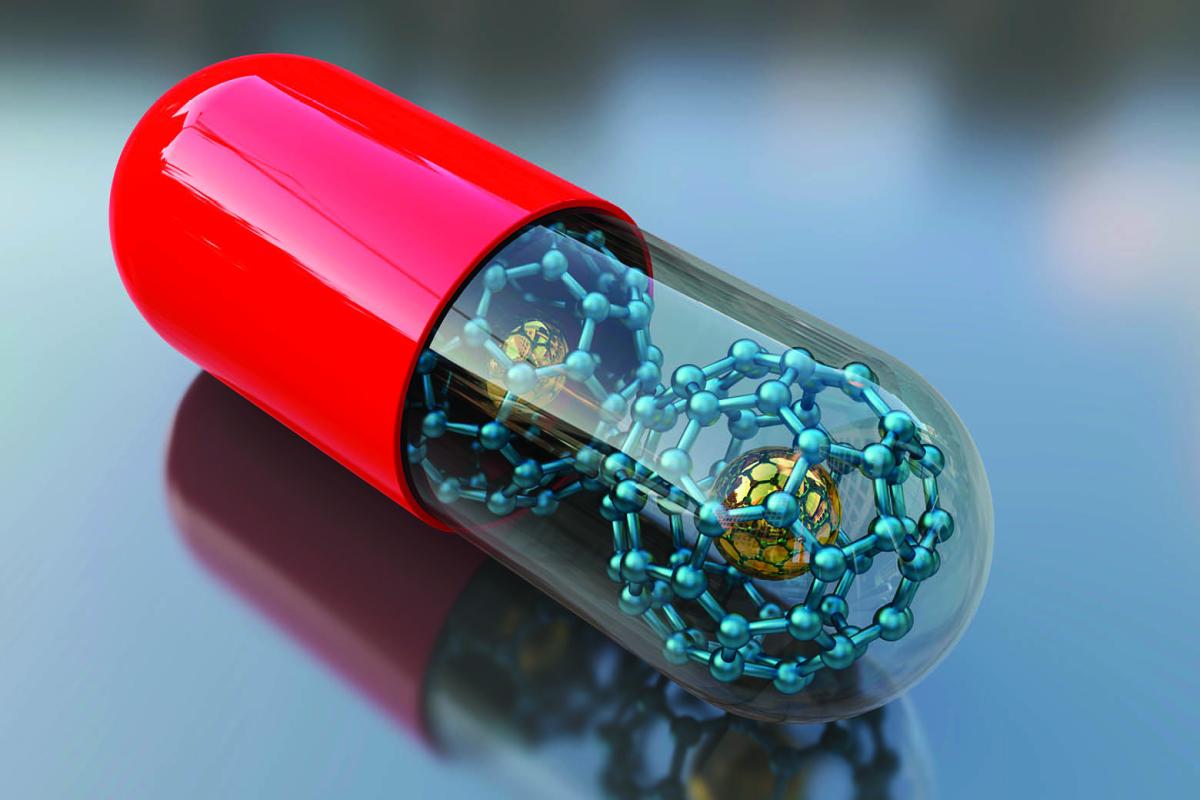
Nanotechnology can take on extremely important roles as well, especially in that of Nanomedicine. These inventions are newer, but are revolutionizing the medical field as a whole. Dr. Gimzewski stated in his 4th part of the lecture that nanoparticles can be used to help reduce the toxicity of things like chemotherapy for patients undergoing treatment. This is a huge stride in the medical field, as it could change the way cancer is treated, and help to find a potential cure.
Biblography
Gimzewski, Jim. Nanotech For Artists Part 1.
Gimzewski, Jim. Nanotech For Artists Part 3.
Gimzewski, Jim. Nanotech For Artists Part 4.
“Nanotechnology in Medicine - Nanoparticles in Medicine.” Nanotechnology in Medicine | Nanoparticles in Medicine, www.understandingnano.com/medicine.html.
Saini, Rajiv, et al. “Nanotechnology: The Future Medicine.” Journal of Cutaneous and Aesthetic Surgery, U.S. National Library of Medicine, Jan. 2010, www.ncbi.nlm.nih.gov/pmc/articles/PMC2890134/.
“What Is Nanotechnology?” National Nanotechnology Initiative, www.nano.gov/nanotech-101/what/definition.
Photo Citations
Bose, Dr. Priyom. “The Role of Nanotechnology in Ensuring Food Safety.” AZoNano.Com, 20 May 2020, www.azonano.com/article.aspx?ArticleID=5496.
Department of Medieval Art and The Cloisters. “Stained Glass in Medieval Europe: Essay: The Metropolitan Museum of Art: Heilbrunn Timeline of Art History.” The Met’s Heilbrunn Timeline of Art History, 1 Jan. 1AD, www.metmuseum.org/toah/hd/glas/hd_glas.htm.
“Richard Feynman.” Encyclopædia Britannica, Encyclopædia Britannica, Inc., 7 May 2023, www.britannica.com/biography/Richard-Feynman. Accessed 26 May 2023.
Vara, Vasanthi. “Nanotechnology in Medicine: Technology Trends.” Medical Device Network, 10 July 2020, www.medicaldevice-network.com/comment/nanotechnology-medicine-technology/.
WriterBookmark, Staff News. “Nanoethics: It’s Time for Big Thinking about Nanomedicine.” American Medical Association, 18 Apr. 2019, www.ama-assn.org/delivering-care/ethics/nanoethics-it-s-time-big-thinking-about-nanomedicine.


Comments